Brake Repair
Brake Repair in Smithfield, NC
Keeping Johnston County Drivers Safe with Reliable Brake Service
Good Brakes are not Optional
When your brakes aren’t performing the way they should, finding a shop you can genuinely trust makes all the difference. Elite Auto Repair & Tire in Smithfield, NC was built on exactly that principle. Owner Tyson Duerrich brings more than 20 years of hands-on automotive experience as an ASE Master Technician, and that depth of knowledge shows in every brake repair the team performs. Whether you’re dealing with worn brake pads, a soft pedal, or a dashboard warning light that won’t go away, the technicians here have the training and equipment to diagnose the problem accurately before any work begins. Families, commuters, and small business owners throughout Johnston County rely on their vehicles every day, and a brake system that’s functioning properly isn’t optional. At Elite Auto Repair & Tire, the goal is to give you honest answers, quality parts, and workmanship you can count on for years to come. You can reach the shop at (919) 989-0050 or stop by at 953 N Brightleaf Blvd, Smithfield, NC 27577 during business hours, Mon – Fri: 8AM – 5:30PM.
Know the Noises, Know the Signs
Your vehicle gives you clear signals when something isn’t right with the brake system, and knowing what to listen and feel for can prevent a minor issue from turning into a costly repair. Squealing or grinding noises when you apply the brakes are among the most common signs that brake pads have worn down and need replacement. A spongy or soft brake pedal often points to air in the brake lines or a problem with the master cylinder, both of which affect your ability to stop safely. If your vehicle pulls to one side during braking, a sticking brake caliper or uneven brake pad wear is frequently the cause. Vibration in the steering wheel while braking typically indicates warped brake rotors, which can compromise stopping power and cause uneven wear on other components. An increase in stopping distance is another serious warning sign that should never be ignored, especially at highway speeds. Drivers in Smithfield and the surrounding communities of Selma, Clayton, and Four Oaks who notice any of these symptoms should schedule a brake inspection promptly rather than waiting for conditions to worsen.
Inspections, Evaluations, Testing, and Brake Repair
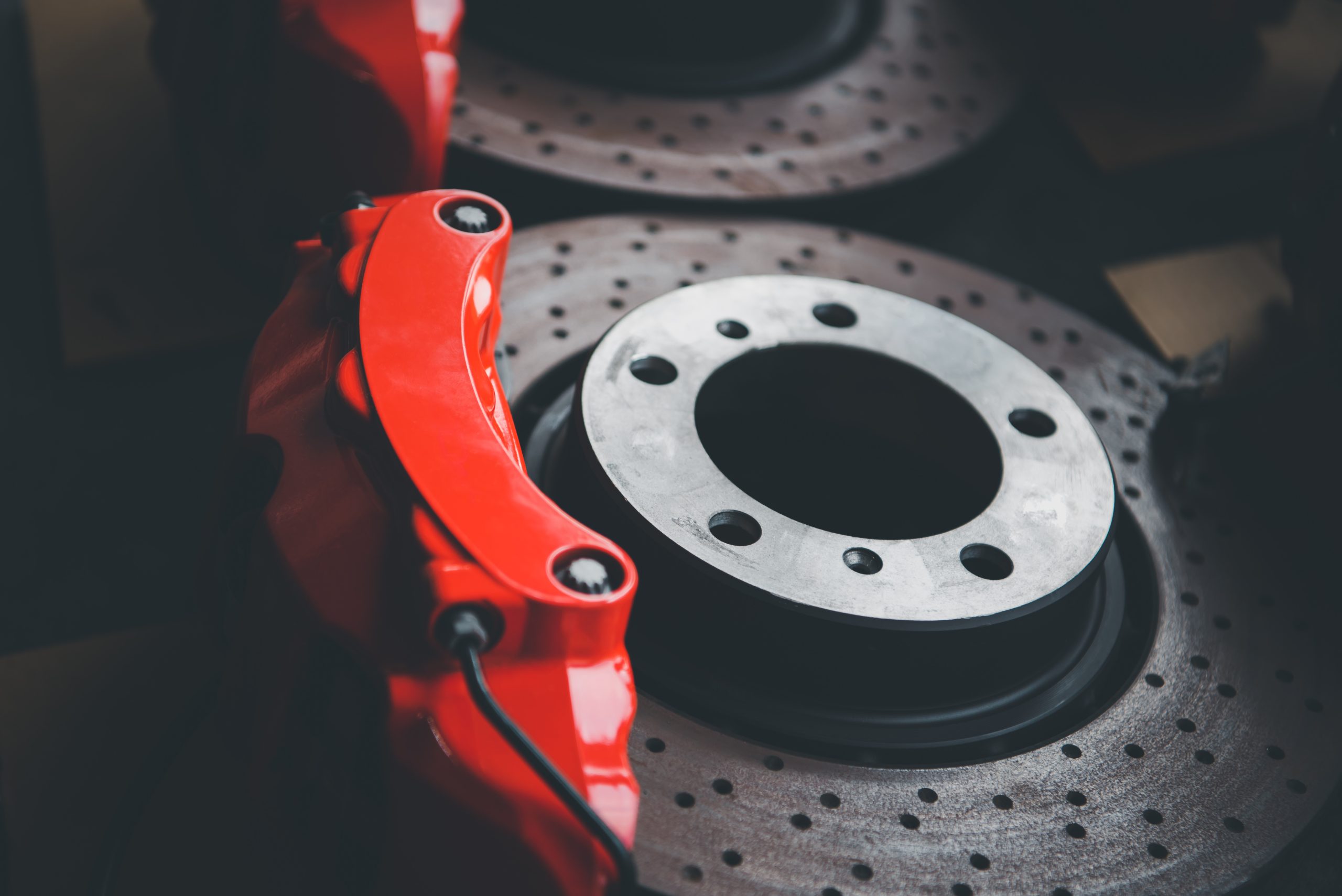
A thorough brake repair goes well beyond simply swapping out brake pads, and Elite Auto Repair & Tire approaches every brake service with a comprehensive inspection of the entire system. Technicians evaluate the condition of the brake rotors and discs for wear, scoring, and warping, and inspect brake calipers for proper operation and signs of leaking. The brake lines are checked for corrosion, cracks, or any compromise in integrity that could lead to fluid loss under pressure. Brake fluid condition is assessed as well, since degraded fluid absorbs moisture over time and reduces braking performance. A brake fluid flush is recommended when fluid has darkened or when moisture content exceeds safe levels. The ABS is tested using computerized diagnostic equipment to confirm that the anti-lock function is operating correctly, and ABS diagnostics are performed whenever a warning light is present. Drum brakes on rear axles are inspected for shoe wear, hardware condition, and proper adjustment, including the emergency brake. Wheel bearing inspection is also part of a complete brake evaluation, since worn bearings can mimic brake noise and affect overall vehicle handling. Every repair is performed using quality OEM or equivalent parts, and customers receive a clear explanation of all findings before any work is authorized.
Frequently Asked Questions About Brake Repair